
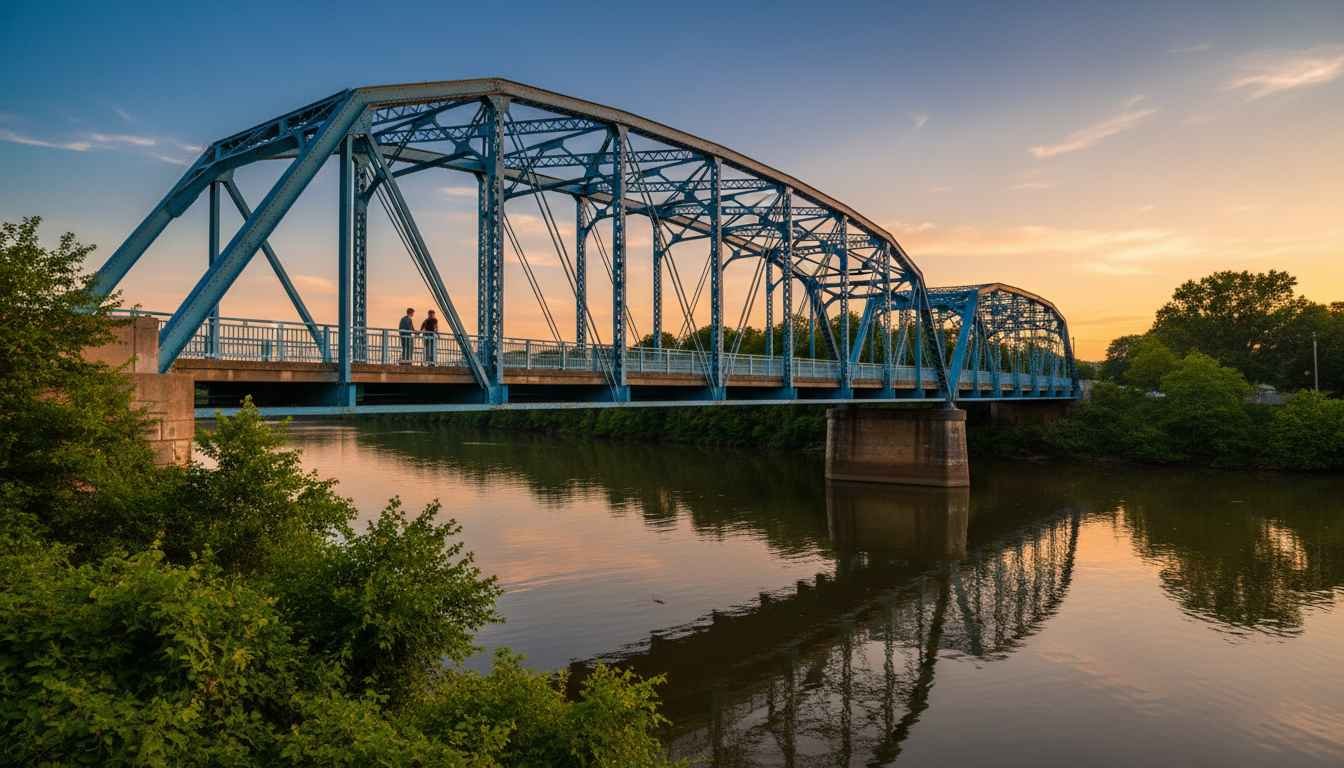
Stand on the Walnut Street Bridge just as the sun drops behind the Tennessee River, and Chattanooga makes its case in a single view: a downtown skyline framed by forested ridges, kayakers drifting below, and the riverfront lights flickering on. This mid-sized Tennessee city has quietly become one of the South’s favorite weekend escapes — big enough to fill three days with mountains, museums, and memorable meals, yet compact enough that you can walk much of it. Here are the top places to visit in Chattanooga TN, from underground waterfalls to world-class aquariums.
Lookout Mountain: Ruby Falls, the Incline Railway, and Rock City
Lookout Mountain rises just southwest of downtown, and it packs three classic attractions into one ridge. Start underground at Ruby Falls, where an elevator carries you deep inside the mountain to a thundering 145-foot waterfall — billed as the tallest underground waterfall open to the public in the country. The guided walk through the caverns is as memorable as the falls themselves.
Next, ride the Lookout Mountain Incline Railway, one of the world’s steepest passenger railways, with grades topping 70 percent on its climb to the summit. At the top, stroll through Rock City’s Enchanted Trail, a winding path through ancient rock formations, narrow passages, and gardens that ends at Lover’s Leap — a clifftop overlook where the valley spreads out for miles on a clear day.
History buffs should also stop at Point Park, part of the Chickamauga and Chattanooga National Military Park. This was the site of the 1863 “Battle Above the Clouds,” and the park’s monuments and sweeping views make it one of the most atmospheric Civil War sites in the South.
Tennessee Aquarium: Two Worlds Under One Roof
The Tennessee Aquarium regularly lands on lists of America’s best aquariums, and it earns the praise. Its two pyramid-topped buildings — River Journey and Ocean Journey — trace the path of water from mountain streams to the open sea. You’ll meet river otters, alligators, penguins, sharks, and countless freshwater species, with hands-on touch tanks that kids love. Plan at least half a day; the exhibits are dense enough to reward slow wandering.
The Riverfront, Walnut Street Bridge, and Coolidge Park
Chattanooga’s riverfront is the city’s living room. The Walnut Street Bridge, a nearly half-mile pedestrian span across the Tennessee River, is made for sunset strolls and skyline photos. On the north shore, Coolidge Park offers wide green lawns, an interactive splash fountain in summer, and a beautifully restored antique carousel that has been delighting riders for generations. Rent a bike and follow the Tennessee Riverwalk, which runs for miles along the water in both directions.
Hunter Museum of American Art
Perched on an 80-foot bluff above the river, the Hunter Museum pairs a striking modern building with one of the Southeast’s finest collections of American art, from the colonial era to the present day. Even if you only have an hour, the galleries — and the views from the terrace — are worth the climb.
Tennessee Valley Railroad Museum
At the Tennessee Valley Railroad Museum, vintage trains still run the rails. Heritage excursions, including steam-powered trips on select days, carry passengers through the Tennessee countryside just as travelers rode a century ago. Check the schedule before you go, since steam days and themed rides (like fall-color and holiday trains) sell out.
National Medal of Honor Heritage Center
Opened downtown in 2020, the National Medal of Honor Heritage Center honors recipients of the nation’s highest military decoration through personal stories, artifacts, and interactive exhibits. It is a moving, thoughtfully designed stop — and fitting, since Chattanooga’s Civil War history is deeply tied to the Medal of Honor’s origins.
Bluff View Art District and the Food Scene
Above the river, the Bluff View Art District clusters galleries, a riverside inn, bakeries, and coffee roasters into a few walkable blocks — an easy add-on after the Hunter Museum. More broadly, Chattanooga’s food scene punches above its weight, from Southern comfort food to inventive farm-to-table kitchens downtown and on the Southside. Ask a local where they’re eating this week; the answer changes often, and it’s usually right.
Practical Tips for Visiting Chattanooga
- Best time to visit: Spring (April–May) and fall (September–October) bring the best weather for hiking and riverfront wandering. Summers are hot and humid; winters are mild but quiet.
- Getting there: Chattanooga sits roughly two hours’ drive from both Atlanta and Nashville, making it an easy weekend trip from either.
- Getting around: Downtown is very walkable, and the free downtown electric shuttle covers the main districts. You’ll want a car for Lookout Mountain and the railroad museum.
- Widen the trip: If Chattanooga is one stop on a longer drive, our guide to the best places to visit in Tennessee covers Nashville, Memphis, and the Great Smoky Mountains.
- Before you go: Check the official Visit Chattanooga site for current hours, ticket prices, and event calendars — attraction schedules change seasonally.
FAQ: Your Chattanooga Questions, Answered
How many days do you need in Chattanooga?
Two to three full days covers the highlights: one day for Lookout Mountain, one for the aquarium and riverfront, and a third for museums and the food scene.
Is Chattanooga good for families?
Yes — it’s one of the most family-friendly cities in the Southeast. The aquarium, the Coolidge Park carousel, the Creative Discovery Museum, and the riverfront parks give kids plenty to do.
What is Chattanooga known for?
Its “Scenic City” nickname comes from the surrounding mountains and river. It’s known for outdoor adventure, Civil War history, a revitalized riverfront, and a surprisingly strong arts and food culture.
Final Thoughts
Chattanooga works because it doesn’t try to be anything it isn’t: a river city with real mountains at its back, honest history, and a downtown built for wandering. Come for a weekend, walk the bridge at sunset, ride the Incline, and you’ll understand why so many visitors start planning their return trip before they’ve left.