You step off the train in a medieval square as church bells ring over pastel houses, and by the next morning you could be hiking a Carpathian ridge or drifting through reed-lined channels in the Danube Delta. That is the appeal of Romania: in one trip you can move from castles and Saxon towns to wild mountains, Black Sea beaches and villages where folk crafts are still part of daily life. This guide covers the places to visit in Romania that reward a first trip most, grouped so you can build a route around castles, cities and nature rather than racing between them.
Transylvania: Castles and Medieval Towns
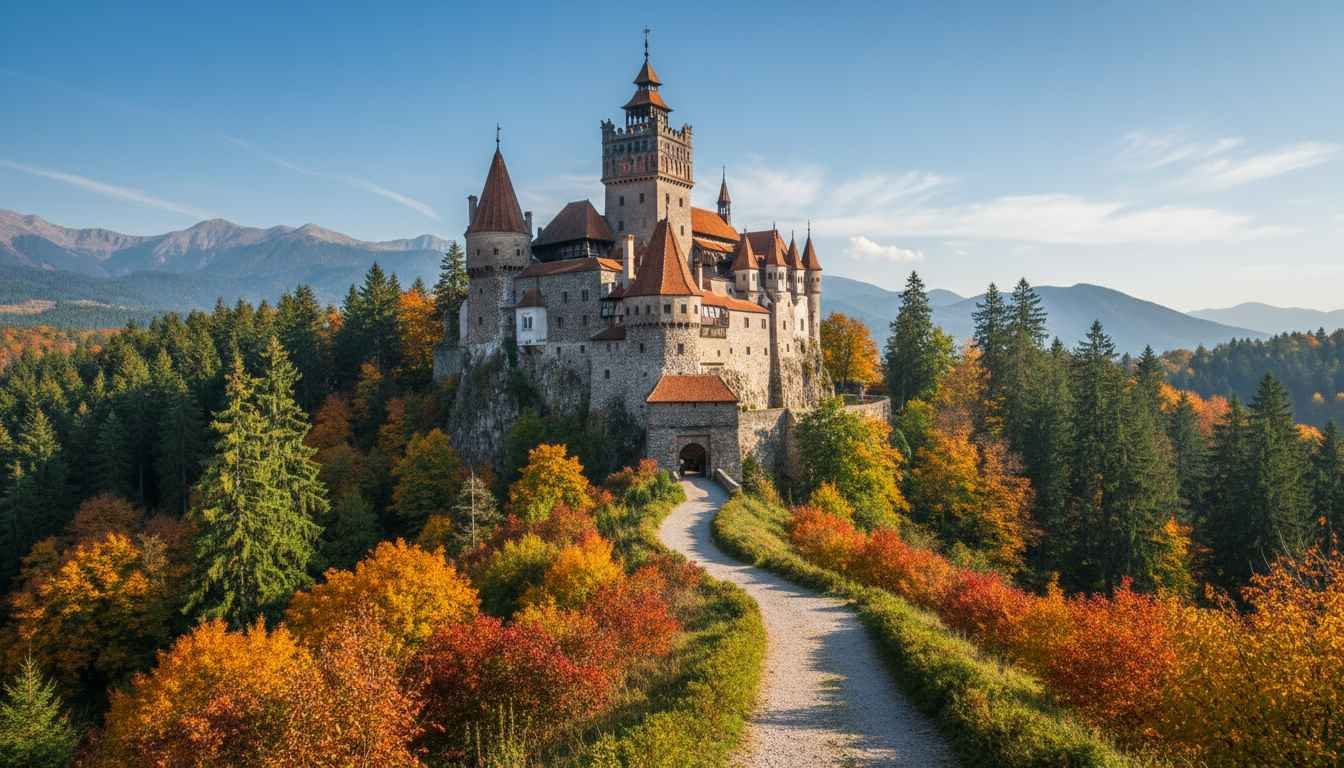
Start in Transylvania if history is your priority. Bran Castle, near Brasov, is the country’s most famous castle, and its cliff-top setting explains its fame even though its connection to Vlad the Impaler is largely legend rather than documented history. The town of Brasov itself is worth a full day: walk Council Square, see the Black Church, and take the cable car up Tampa Mountain for views over the red roofs.
Sighisoara, a UNESCO-listed citadel town, is smaller and quieter than Brasov, with colourful houses, a clock tower and cobbled lanes you can explore on foot in a few hours. Nearby, the fortified church at Biertan shows how Saxon villages once defended themselves: thick walls, a gate tower and a church at the centre. If you want more detail on the region’s best base, our guide to the best places to visit in Brasov, Romania covers the old town, Tampa and day trips in depth.
The Carpathian Mountains and Natural Parks
The Carpathians curve through the centre of the country and are the backbone of Romania’s nature travel. Retezat National Park in the west is known for glacial lakes and rugged peaks, while Piatra Craiului, near Brasov, offers a long limestone ridge popular with experienced hikers. Both parks are best explored with a marked trail map and, for longer routes, a local guide.
For a gentler introduction, try the Bucegi Mountains from the resort town of Sinaia, home to Peles Castle, or walk the lower trails around the resort of Poiana Brasov. Spring and early autumn are the most comfortable seasons for hiking: summer can be hot in the valleys, and high trails may still hold snow in late spring, so check trail conditions before you set out.
The Danube Delta and the Black Sea Coast
The Danube Delta, a UNESCO World Heritage Site where the river meets the Black Sea, is one of Europe’s great wetland landscapes. Its channels, reed beds and lakes are best seen by boat, and small guesthouses in Tulcea or in delta villages arrange guided trips. Birdwatching is the main draw, especially in spring and early summer, but bring insect protection and book boats in advance in peak season.
From the delta, the Black Sea coast offers a different pace. Constanta, the main port city, has Roman ruins, a casino building on the seafront and a long beach promenade, while the resort of Mamaia suits travellers who want a straightforward beach stay. The coast works best as a short add-on to a cultural route rather than as the whole trip.
Romanian Cities and Cultural Centres
Bucharest, the capital, divides opinion, but it rewards a day or two: the vast Palace of Parliament, the Village Museum’s collection of traditional houses, and the Old Town’s cafes and churches give a quick sense of the country’s contrasts. Cluj-Napoca, in Transylvania, is livelier and more walkable, with a large student population, baroque squares and a good base for day trips to Turda Gorge and the salt mine at Turda.
Sibiu, a former European Capital of Culture, is the most photogenic of the three, with its Large and Small Squares, the Bridge of Lies and houses whose attic windows look like watching eyes. Each city has museums, theatres and festivals through the year, so check what is on before you travel: a local festival can turn an ordinary evening into the highlight of a trip.
Planning Your Romania Route
A sensible first route is seven to ten days: Bucharest, then Brasov and Sighisoara, then either the Carpathians or the Danube Delta, finishing in Sibiu or Cluj-Napoca. Trains connect the main cities, but buses and rental cars are more practical for mountain villages and the delta, where public transport is limited. Rural guesthouses often include breakfast and home-cooked dinners, and they are a good way to try local dishes such as sarmale, mamaliga and regional cheeses.
Pack layers whatever the season: mountain weather changes quickly, and delta evenings can be cool even in summer. Learn a few Romanian greetings, carry cash for small villages, and allow unplanned time — some of the best moments in Romania come from a village market, a roadside church or a trail you had not planned to walk.
FAQ
What is the best time to visit Romania?
Late spring and early autumn offer mild weather for both sightseeing and hiking. Summer suits the coast and the delta, while winter is best for ski resorts such as Poiana Brasov rather than for high mountain trails.
How many days do you need in Romania?
Seven to ten days covers Bucharest, Brasov and one nature region comfortably. Add days for the Danube Delta or for a slower Transylvanian route with village stops.
Is Romania suitable for families?
Yes. Castles, open-air museums, gentle mountain trails and beach resorts all work well for families, and many guesthouses welcome children. Keep mountain hikes short and check trail difficulty in advance.
Final Thoughts
Romania rewards travellers who mix its layers rather than chasing one image of it. Pair a castle town with a mountain walk, a city square with a delta boat trip, and you will leave with a fuller picture of the country than any single destination can give. Start with the places above, leave room for the unexpected, and let the route grow as you travel.