You arrive in Marrakech as the call to prayer drifts over the medina and the square fills with food stalls, musicians, and the smell of grilling meat. Morocco rewards travellers who mix its cities, mountains, desert, and coast, and this list delivers exactly what its title promises: ten distinct places, each worth a stop in its own right. Here are the top ten places to visit in Morocco, in an order that works well for a first trip.
1. Marrakech
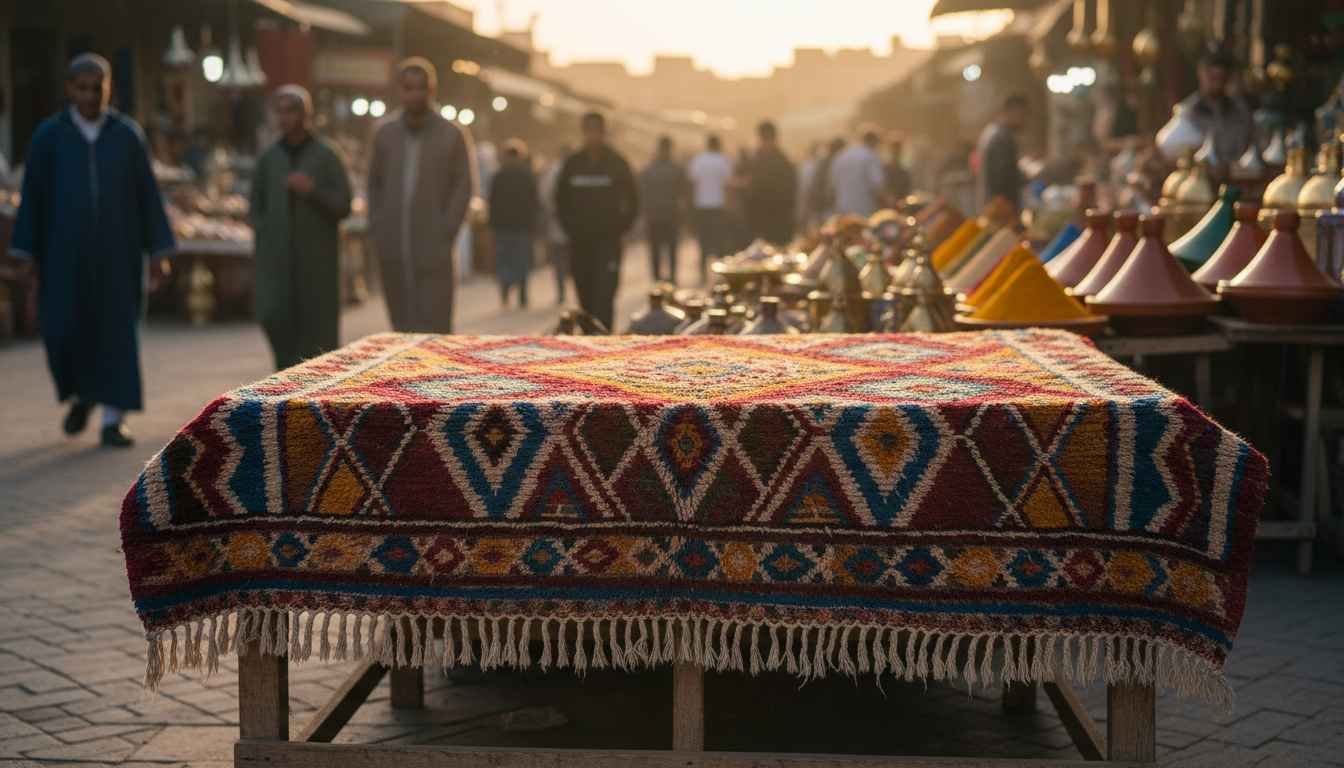
Marrakech is Morocco’s most famous city for good reason. Get lost in the souks of the medina, visit the Jardin Majorelle and the Koutoubia Mosque, and spend an evening in Djemaa el-Fna, where food stalls, storytellers, and musicians take over the square. Stay inside or near the medina for atmosphere, and hire a local guide for your first medina walk.
2. Fes
Fes is Morocco’s oldest imperial city, and its medina, Fes el-Bali, is a UNESCO World Heritage site of narrow lanes, workshops, and historic mosques. Visit the famous tanneries, where leather is still dyed by hand, and the beautiful madrasas. Fes feels less polished than Marrakech and more like a working medieval city, which is precisely its appeal.
3. Chefchaouen
Chefchaouen, in the Rif Mountains, is famous for its blue-painted streets and relaxed pace. It is smaller and calmer than the big imperial cities, making it a favourite for photographers and for travellers who want a slower few days, with mountain walks and views from the Spanish Mosque above town.
4. The Sahara Desert
No Morocco list is complete without the Sahara. From Merzouga, camel treks cross the dunes of Erg Chebbi to desert camps where you sleep under the stars. If you want more on desert travel, see our guide to places to visit in the Sahara Desert. Book a reputable camp, carry warm layers for cold desert nights, and check what is included before you pay.
5. The Atlas Mountains
The High Atlas runs across the country and offers the best hiking in Morocco, from day walks in the Ourika Valley to multi-day treks through Amazigh (Berber) villages. Toubkal, North Africa’s highest peak, is a serious two-day climb; easier valley walks suit most visitors. A mountain day trip from Marrakech is an easy way to sample the range.
6. Essaouira
Essaouira, on the Atlantic coast, is a fortified port town with a relaxed, windswept charm: seafood restaurants, an 18th-century medina, ramparts to walk, and beaches popular with windsurfers. It makes a calm break after the intensity of Marrakech, about three hours away by road.
7. Casablanca
Casablanca is Morocco’s largest city and economic hub, and its star sight is the Hassan II Mosque, one of the largest mosques in the world, standing partly over the Atlantic. Guided tours are open to visitors of all faiths, and the mosque’s craftsmanship is extraordinary. The city’s art deco centre and corniche are worth an afternoon.
As you embark on your journey to explore the enchanting landscapes and vibrant culture of Morocco, it’s essential to consider the impact of long-haul travel on your experience. Arriving in a place as dynamic as Marrakech, where every moment invites discovery, can be impeded by the fatigue of jet lag. To truly immerse yourself in the myriad of sights, sounds, and flavors that await, implementing strategies to mitigate this common travel challenge is crucial. Learning effective techniques to adjust your internal clock will enhance your adventure, allowing you to savor the bustling souks and the serene beauty of the Sahara. For practical tips on managing your travel fatigue, explore the best methods available to how to avoid jet lag on long haul flights, ensuring that you start your Moroccan journey feeling refreshed and ready for exploration.
8. Rabat
Rabat, the capital, is quieter and greener than Casablanca. Visit the Kasbah of the Udayas, with its blue-and-white lanes above the Atlantic, the Hassan Tower and the Mausoleum of Mohammed V, and the Andalusian Gardens. Rabat suits travellers who prefer museums and gardens to medina crowds.
9. Tangier
Tangier, where the Mediterranean meets the Atlantic, has long mixed European and Moroccan influences. Its medina, kasbah, and Grand Socco market repay a day of wandering, and the views across the Strait of Gibraltar to Spain are a reminder of the city’s position at a crossroads. It pairs well with a trip to Chefchaouen.
10. Agadir
Agadir, rebuilt after a 1960 earthquake, is Morocco’s main beach resort: a long sandy bay, a modern marina, and a promenade lined with restaurants. It is the easiest place on this list for a pure beach break, and a base for day trips to the Souss Valley and the nearby town of Taroudant.
Practical Tips for Morocco
Spring and autumn offer the most comfortable weather for cities and mountains, while summer is very hot inland and in the desert. Dress respectfully at religious sites, agree taxi fares before setting off where meters are not used, and carry cash for medinas and small towns. A week covers Marrakech, the Atlas, and Essaouira or the desert; two weeks allow the full ten.
FAQ
How many days do you need in Morocco? Seven days cover the highlights of one region well; ten to fourteen days let you combine cities, desert, and coast without rushing.
Is Morocco suitable for families? Yes. Children enjoy the souks, camel rides, and beaches, though medina days are tiring for small children, so plan rest time.
Do you need a guide in the medinas? Not always, but a guide helps on a first visit to Fes or Marrakech, where the lanes are genuinely confusing.
Final Thoughts
Morocco’s strength is variety: in one trip you can walk a medieval medina, climb a mountain valley, sleep in the desert, and swim in the Atlantic. Pick the places on this list that match your pace, and leave one day unplanned. That is usually the day you remember best.