
If you could only visit one place in Japan, where should it be? For most first-time travellers, the answer is Kyoto. Tokyo dazzles, Hokkaido stuns, and Okinawa relaxes, but Kyoto packs the Japan of the imagination — temples, bamboo groves, old wooden streets, and gardens — into a city you can explore on foot and by bus. This guide explains why Kyoto wins, and what to add around it for a fuller trip.
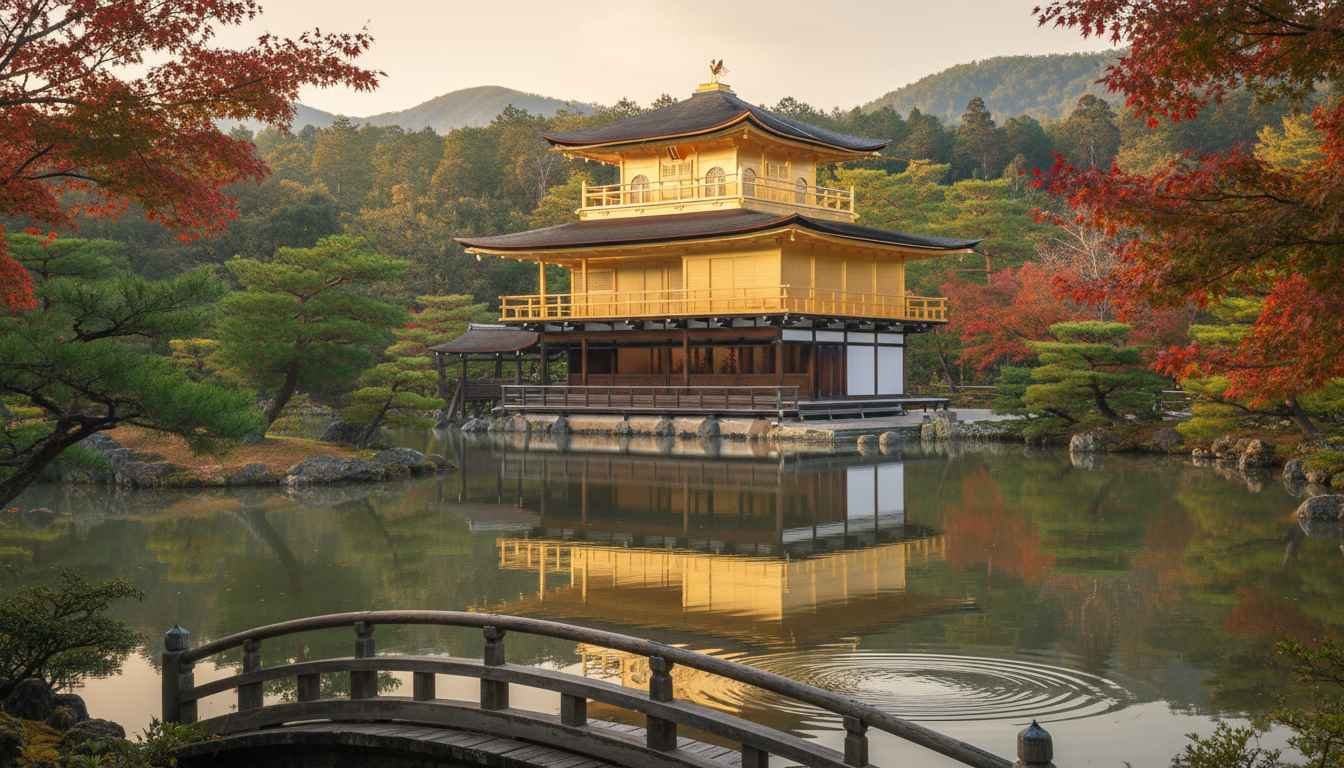
The answer: Kyoto
Kyoto was Japan’s capital for over a thousand years, and that history is still visible everywhere: seventeen UNESCO-listed sites, hundreds of temples and shrines, and whole districts of preserved wooden machiya houses. It is also compact enough to enjoy without rushing. You can start the day at a quiet temple garden, walk a bamboo grove, eat noodles for lunch, and end the evening in Gion, where lantern-lit lanes and traditional teahouses still set the scene.
What to see in Kyoto
Begin with Fushimi Inari, the shrine of thousands of vermilion torii gates climbing a wooded hillside — go early to beat the crowds. Then visit Kiyomizu-dera, the temple on stilts above the city, and the Arashiyama bamboo grove, best enjoyed at dawn. Add Kinkaku-ji, the Golden Pavilion, and the Zen garden at Ryōan-ji, and spend an evening wandering Gion and the Ponto-chō alley, where small restaurants and bars fill narrow lanes. If you are visiting family in Japan, Kyoto’s gentle pace and easy day trips make it an especially good home base.
Tokyo: the modern heart of Japan
Tokyo is the essential contrast to Kyoto. It is vast, fast, and endlessly varied: the crossing at Shibuya, the temples of Asakusa, the food halls of depachika department stores, and the neon streets of Shinjuku. Give Tokyo at least two days, and use its rail network to reach Nikko or Kamakura as a day trip if you want temples and coast without leaving the region.
Nara and Osaka: easy additions
From Kyoto, Nara is a short train ride away, and its free-roaming deer, the great Buddha hall at Tōdai-ji, and quiet park paths make a perfect half-day. Osaka, in the other direction, is Japan’s kitchen: try takoyaki and okonomiyaki in Dotonbori, visit Osaka Castle, and enjoy a city that is louder, funnier, and more food-obsessed than its neighbours. Together, Kyoto, Nara, and Osaka form the classic Kansai triangle.
Hokkaido and Okinawa: for nature and beaches
If nature is your priority, Hokkaido offers national parks, mountain lakes, and the lavender fields of Furano in summer, plus ski resorts in winter. For a tropical break, Okinawa’s subtropical beaches, coral reefs, and distinct Ryukyu culture feel like a different country within Japan. Both are best as dedicated trips rather than add-ons to a first Kyoto visit, as distances are long.
Planning tips
Spring for cherry blossom and autumn for maple leaves are Japan’s most popular seasons, so book accommodation early for both. A Japan Rail Pass can save money on longer itineraries, but check whether your route justifies it before buying. Carry cash for small restaurants and temples, learn a few polite phrases, and remember that many temples and gardens open early — an early start is the simplest way to enjoy Kyoto without crowds.
FAQ: What’s the Best Place to Visit in Japan?
Is Kyoto or Tokyo better for a first trip?
Kyoto, if you must choose one: it concentrates temples, gardens, and old streets in a walkable city. Tokyo is better if modern city life, shopping, and nightlife are your priority.
How many days do you need in Kyoto?
Three days covers the headline sights plus Nara. Five days allows a slower pace and day trips to Osaka and the surrounding countryside.
When is the best time to visit Japan?
Spring (cherry blossom) and autumn (maple leaves) are the classic choices. Summer is hot and humid, winter is quiet and good for Hokkaido snow and onsen towns.
Final Thoughts
Japan has no single place that suits every traveller, but if you want one destination that delivers the country’s history, beauty, and everyday charm in one trip, Kyoto is the answer. Pair it with Tokyo for contrast, Nara and Osaka for easy day trips, and save Hokkaido and Okinawa for a second visit. Start early, walk slowly, and let Kyoto’s temples, gardens, and lantern-lit lanes do the rest.