
Imagine stepping off the train in Japan and seeing your son waiting on the platform, ready to show you the neighbourhood he now calls home. For a mother and aunt travelling together to visit family in Japan, the trip is part reunion, part discovery: you get to see his everyday life and, together, explore a country that rewards curious visitors at every turn. This guide helps you plan that visit around the seasons, enjoy places together and handle the practical details with confidence.
Choose Your Seasonal Travel Period
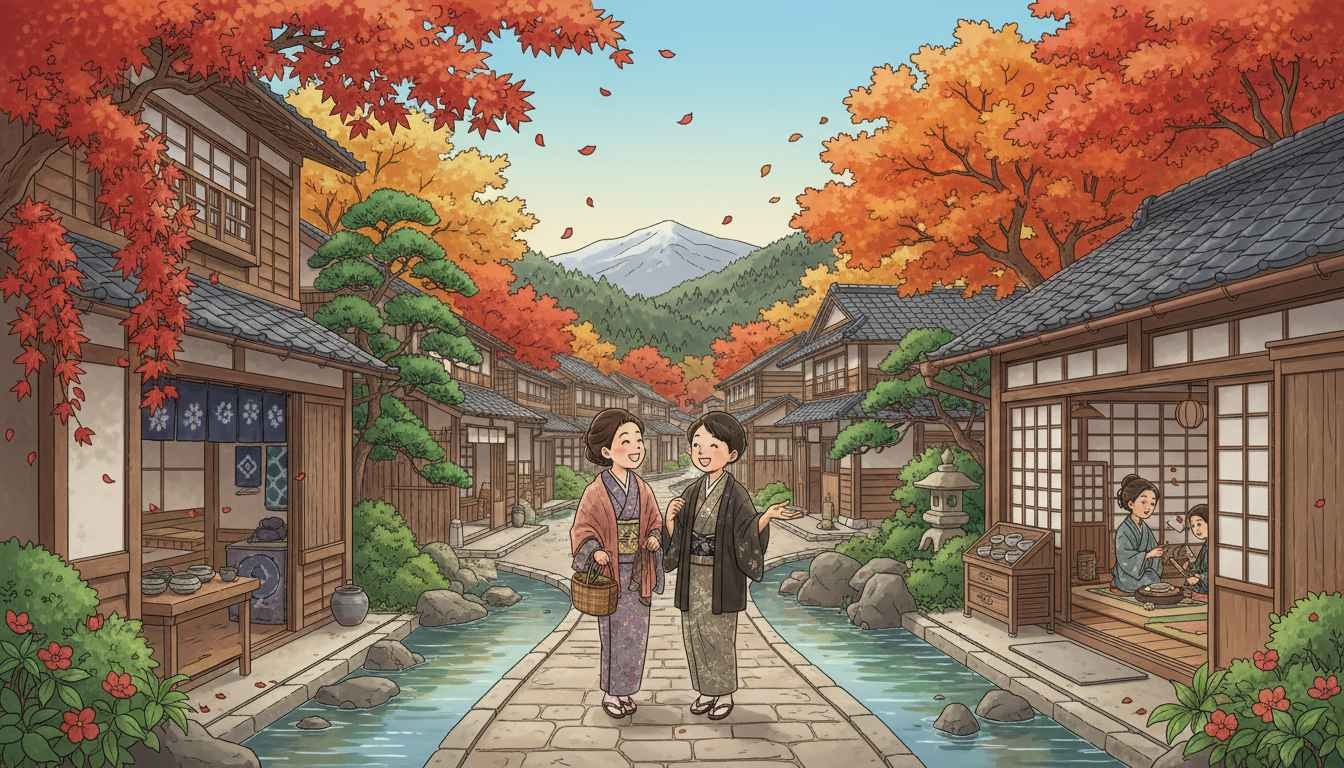
Japan changes dramatically with the seasons, so timing shapes the whole trip. Spring, from late March to early April in most regions, brings cherry blossoms and mild weather, but it is also the busiest and most expensive period, so book flights and hotels early. Autumn, from October to November, offers autumn leaves, comfortable temperatures and harvest food. Summer is hot and humid with lively festivals, while winter suits hot springs, snow scenery and quieter temples. Ask your son about local events during your dates: a neighbourhood festival or seasonal market often becomes the trip’s best memory.
Build the Trip Around His Home Base
The most rewarding family visits balance his world with sightseeing. Spend your first days in his city: walk his neighbourhood, eat at his favourite restaurants and meet his friends if he suggests it. Then add one or two short trips together, such as Kyoto’s temples, a coastal town or a mountain hot-spring resort, depending on where he lives. Travelling together, rather than touring separately, is what makes the visit special, and your son’s local knowledge will take you to places guidebooks miss. If you want a broader overview of the country’s highlights, our guide to the best place to visit in Japan is a useful starting point for choosing day trips.
Places to Enjoy Together
Temples and shrines are a gentle introduction to Japanese culture: arrive early, follow the signs about photography and purification rituals, and take time to simply sit in the gardens. Food is another shared pleasure, from conveyor-belt sushi and ramen shops to department-store food halls where you can sample regional specialities. A visit to an onsen hot spring is a classic Japanese experience, but check the rules first: most require washing before entering, tattoos may be restricted at some baths, and swimwear is generally not worn. Gardens, castles and seasonal illuminations suit all ages and paces, so mix active days with relaxed ones.
Getting Around Japan
Japan’s trains are famously punctual and easy to use, with English signage in major stations. City travel is simplest with a rechargeable IC card, which you can tap on trains, buses and in many shops. For longer intercity travel, check current Japan Rail Pass rules and prices before you buy, since eligibility and value depend on your exact route and the pass has changed in recent years. Your son can help you plan the most economical combination of passes and individual tickets. Taxis are reliable but expensive for long distances, and many drivers appreciate having your destination written in Japanese.
Practical Tips for the Visit
Pack light and comfortable walking shoes, since Japanese sightseeing involves a lot of walking and standing. Bring a small gift, known as omiyage, for your son and any hosts: sweets or a speciality from your home region are always appreciated. Cash is still useful in smaller shops and rural areas, though cards are widely accepted in cities. A pocket Wi-Fi device or local SIM card makes navigation and translation apps far easier. Learn a few polite phrases, such as thank you and excuse me, and remember to remove shoes where signs or hosts indicate, including in homes, some restaurants and temple halls.
FAQ
How long should a family visit to Japan be?
Ten to fourteen days works well: enough time to settle into your son’s city, take one or two trips together and enjoy unhurried family time without exhaustion.
Do you need to speak Japanese to visit?
No. English signage is common in tourist areas, translation apps handle menus and signs, and your son’s help covers the rest. A few polite phrases go a long way.
What should you bring as a gift for your son?
Food specialities from home, such as sweets or tea, are ideal. Pack them carefully, keep them sealed for customs, and present them with both hands as a small gesture of thanks.
Final Thoughts
A mother and aunt visiting their son in Japan is more than a holiday: it is a chance to step into his life, share new experiences together and build memories that last long after the flight home. Plan around the season, let him lead some days, and leave room for the unplanned moments that make family trips special.