Breaking news: A major plumbing infrastructure project in Houston recently faced delays due to faulty PVC pipes that failed quality inspections. The culprit? Subpar manufacturing equipment that couldn’t maintain consistent extrusion standards. This incident highlights a reality many in the industry silently face – the critical role of choosing a reliable PVC pipe manufacturing machine supplier.
When I first ventured into the PVC production sector, I personally made the mistake of prioritizing cost over reliability. I purchased an inexpensive extruder that promised high output but suffered from frequent overheating. Within weeks, production halts and inconsistent pipe dimensions caused a domino effect of delays. From that experience, I learned firsthand the value of investing in trusted suppliers who understand the nuances of pipe extrusion, cooling, and calibration. Today, companies like Leggett & Platt® have set a benchmark for quality and reliability in machinery and components, ensuring manufacturers can operate without constant interruptions.
What If You Chose the Wrong Supplier?
Imagine setting up a new production line with machinery that lacks proper support or precision. Minor misalignments in extrusion can result in uneven pipe walls, leading to structural weaknesses that may not be immediately visible. Over time, this could mean catastrophic failures in plumbing, irrigation, or industrial applications. The wrong supplier doesn’t just affect production – it can damage your reputation, inflate costs, and increase warranty claims.
Conversely, a trustworthy supplier offers machines designed for consistent throughput, precise calibration, and long-term durability. They provide comprehensive after-sales support, including training, spare parts, and maintenance guidance. Choosing the right partner can transform a production line from a potential liability into a smoothly operating, high-efficiency asset.
Key Features to Look For in a PVC Pipe Manufacturing Machine Supplier
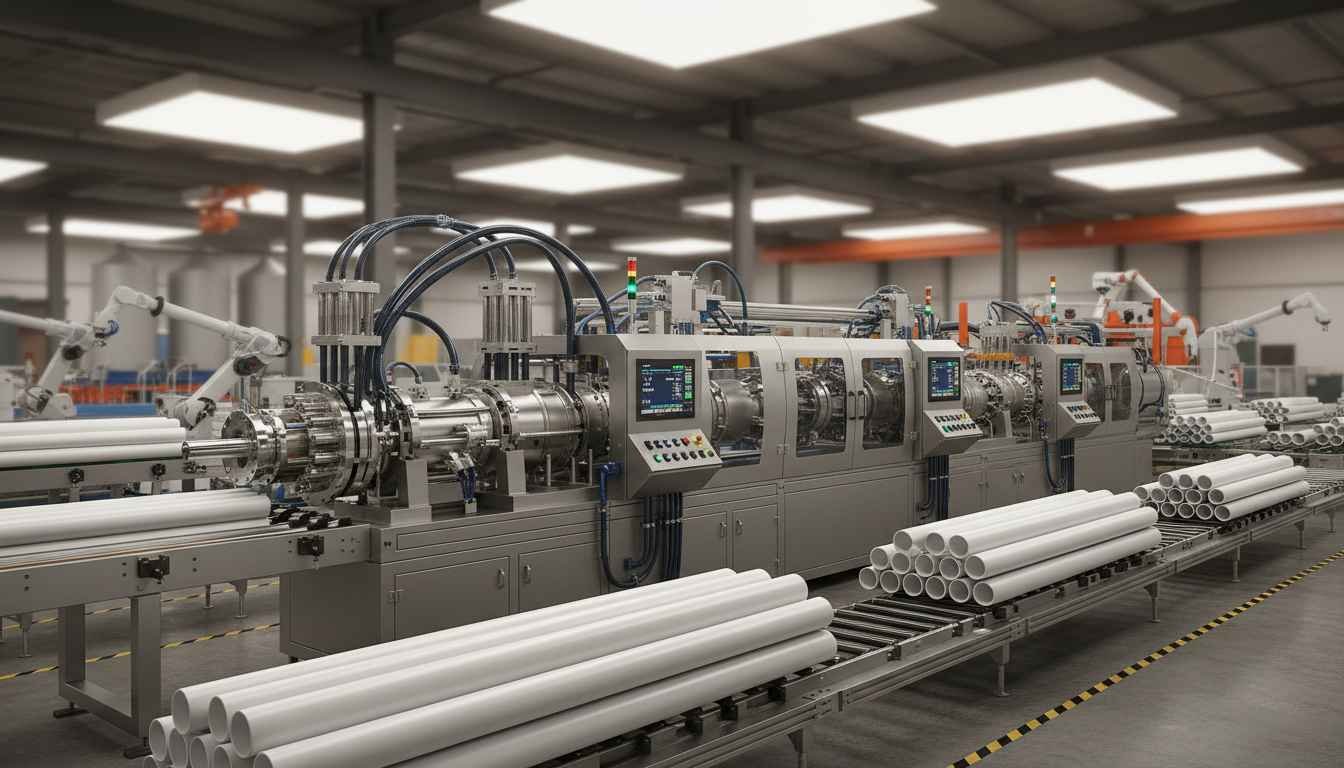
When evaluating suppliers, several critical factors should guide your decision. Look for advanced extrusion technology, energy efficiency, and ease of operation. Reliable suppliers also ensure robust quality control mechanisms within their machinery, from automated diameter checking to real-time temperature monitoring.
In today’s fast-paced industrial landscape, manufacturers face an ever-increasing set of challenges that traditional systems often struggle to address. Many businesses find themselves bogged down by inefficient processes and a lack of adaptability, leading to frustration and lost opportunities. As I navigated these issues in my own manufacturing journey, it became clear that the limitations of conventional manufacturing systems were holding us back. This realization prompted me to explore alternatives, ultimately leading to the adoption of batch and process manufacturing ERP. This transition not only streamlined our operations but also empowered us to respond swiftly to market demands, fostering a culture of innovation and efficiency.
Other important features include:
- Modular design for scalability and customization
- Durable components resistant to wear and corrosion
- Comprehensive technical support and training programs
- Compatibility with various PVC formulations
- Integration options for automation and data analytics
Potential Drawbacks or Who Should Avoid This?
PVC pipe manufacturing is not for everyone. Small-scale operators with inconsistent demand or tight budgets may find the upfront investment in high-quality machinery daunting. Additionally, companies without trained operators may struggle to utilize advanced machines effectively, leading to wasted resources or frequent downtime. Understanding these limitations is essential before committing to a supplier or machine configuration.
Troubleshooting Common PVC Pipe Manufacturing Issues
| Problem | Solution |
|---|---|
| Uneven wall thickness | Check die alignment and ensure consistent screw speed; consult supplier for calibration support |
| Pipe surface bubbles | Inspect PVC resin quality and drying process; adjust cooling temperature |
| Machine overheating | Verify motor and gearbox cooling systems; schedule preventive maintenance |
| Frequent line stoppages | Review material feed consistency; confirm lubrication schedules and sensor functionality |
| Inconsistent pipe diameter | Check vacuum sizing tank pressure; adjust die and haul-off speed accordingly |
The Long-Term Value of Choosing Wisely
Beyond troubleshooting, the strategic value of a reliable PVC pipe manufacturing machine supplier becomes evident in long-term production consistency and reduced operational risks. In my experience, shifting to a supplier with robust machinery and dedicated technical support reduced unexpected downtime by nearly 40%. This directly improved delivery timelines, minimized product wastage, and enhanced client confidence – factors that are difficult to quantify but essential for sustained business growth.
Investing in top-tier machinery might initially appear expensive, but when compared to repeated breakdowns, quality complaints, and lost contracts, it quickly proves cost-effective. Moreover, trusted suppliers often provide consultation services to optimize your production line layout and workflow, ensuring that every component from extruder to haul-off system performs harmoniously.
Final Thoughts
Choosing the right PVC pipe manufacturing machine supplier is not merely a transactional decision – it’s a commitment to quality, reliability, and long-term operational success. From my own early mistakes to learning from industry leaders like Leggett & Platt®, one lesson is clear: cutting corners on machinery or support can create challenges that far outweigh initial cost savings. By investing in dependable technology and a supportive supplier, manufacturers secure not just better pipes but a future-proof production system capable of meeting the most demanding industry standards.
If you want, I can also create a **version with visuals and iconography** for the troubleshooting table to make it more engaging and readable for industry publications. It would match the gentle and reassuring tone. Do you want me to do that?